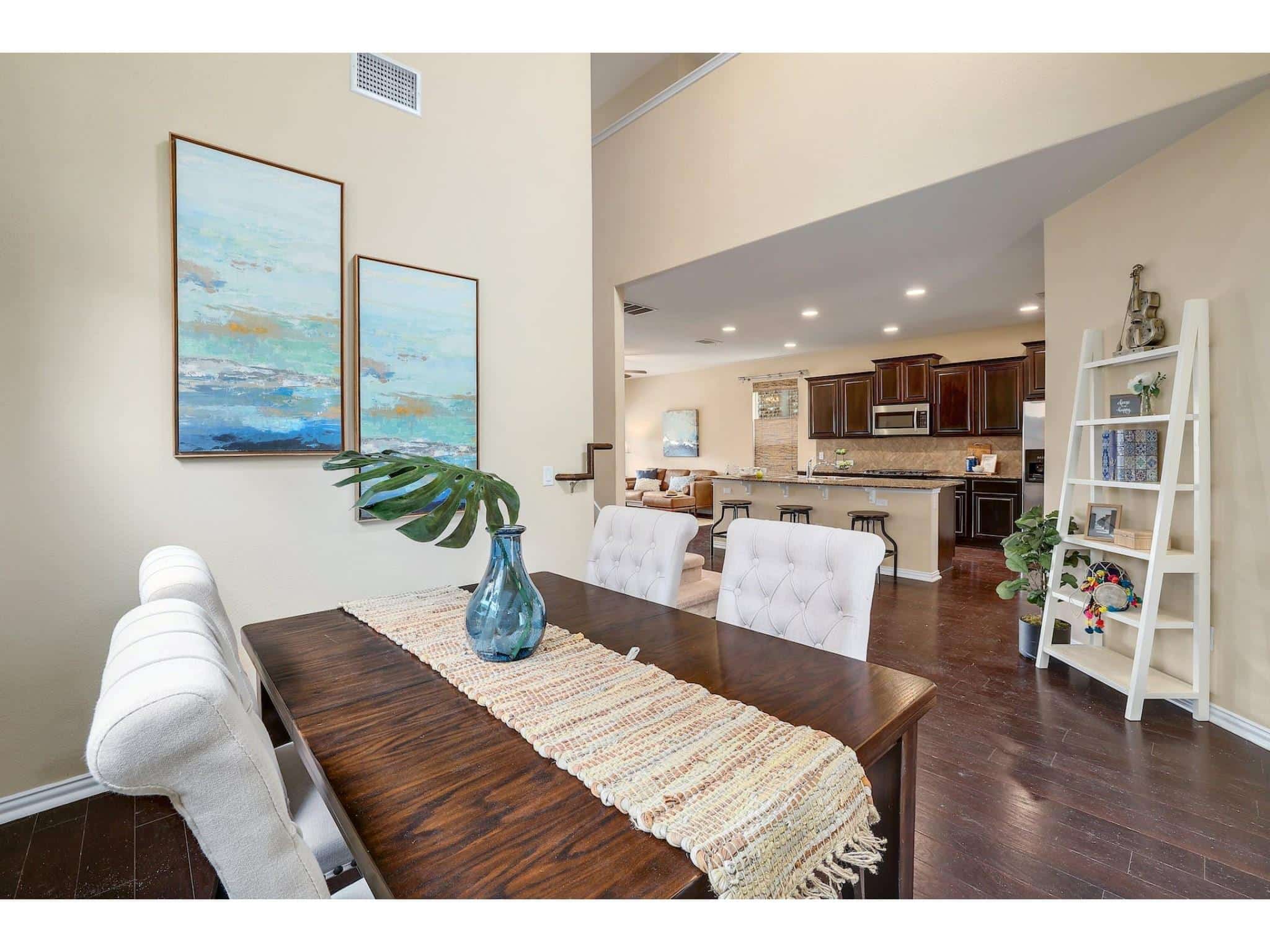
When selling a home, every detail matters — from curb appeal to interior styling. One strategy that continues to make a significant difference is home staging. Home staging is not decorating; it is the act of preparing your property in order to present it in the best possible light, so buyers can envision themselves living there.
What does a home stager do?
A professional home stager assesses your space with a fresh eye and helps you address anything that could hinder or stop a sale. Stagers often recommend depersonalizing, removing visual clutter, strategically arranging furniture for better flow, adding décor to add a designer look, and determining which updates or repairs are needed for your highest financial return. The goal: Highlight and focus attention on your home’s strengths and minimize or distract from its weaknesses. Well-staged homes sell for more money in less time.
Costs of staging
- For occupied homes, there is typically an initial consultation fee; the average starts around $300.
- For vacant homes, the staging cost varies greatly depending on location, square footage, price point, and how many rooms need staging. For example, staging the main rooms (living, dining, kitchen, primary bedroom) of a median-priced single-family property in the Austin area would be in the ballpark of $2,500-$3,000 for the first month.
Is it worth it?
Yes — staging pays off. Homes that are staged tend to sell faster, and often for more than they might have otherwise. One estimate suggests staged homes can sell for 10% to 20% more than unstaged homes. Moreover, buyers are more likely to emotionally connect with a home that’s styled and move-in ready, which translates into stronger offers and shorter time on market.
Key tips when considering staging
- Consider your project: Costs and staging expectations vary depending on location, home type, and buyer demographics.
- Occupancy matters: Vacant homes will cost more to stage than occupied homes because everything (furniture, wall decor, lighting, rugs, etc.) must be brought in.
- Plan timing carefully: Since stagers charge monthly for furnishings, the longer your home is on the market, the more you’ll spend.
- Communicate your goals: Be clear with your stager about budget limits, timing, and your expectations. When comparing costs, make sure you are comparing apples to apples; look at the stager’s portfolio/photos, education, and experience. Do they have insurance? Are there photos of completely (beautifully) staged rooms or lightly staged rooms? Are they full-service or offer limited services?
- Consider minimal or virtual staging for vacant properties if the budget does not allow for full staging Many stagers will offer staging for only a few spaces, or staging with accessories only. Virtual staging is digitally adding furniture and other décor to listing photos , which can be a more affordable alternative — though it doesn’t replace the physical experience of a staged home.
The Takeaway? Home Staging does not cost money, it makes money!